Engineering Reliable Power for Remote Living
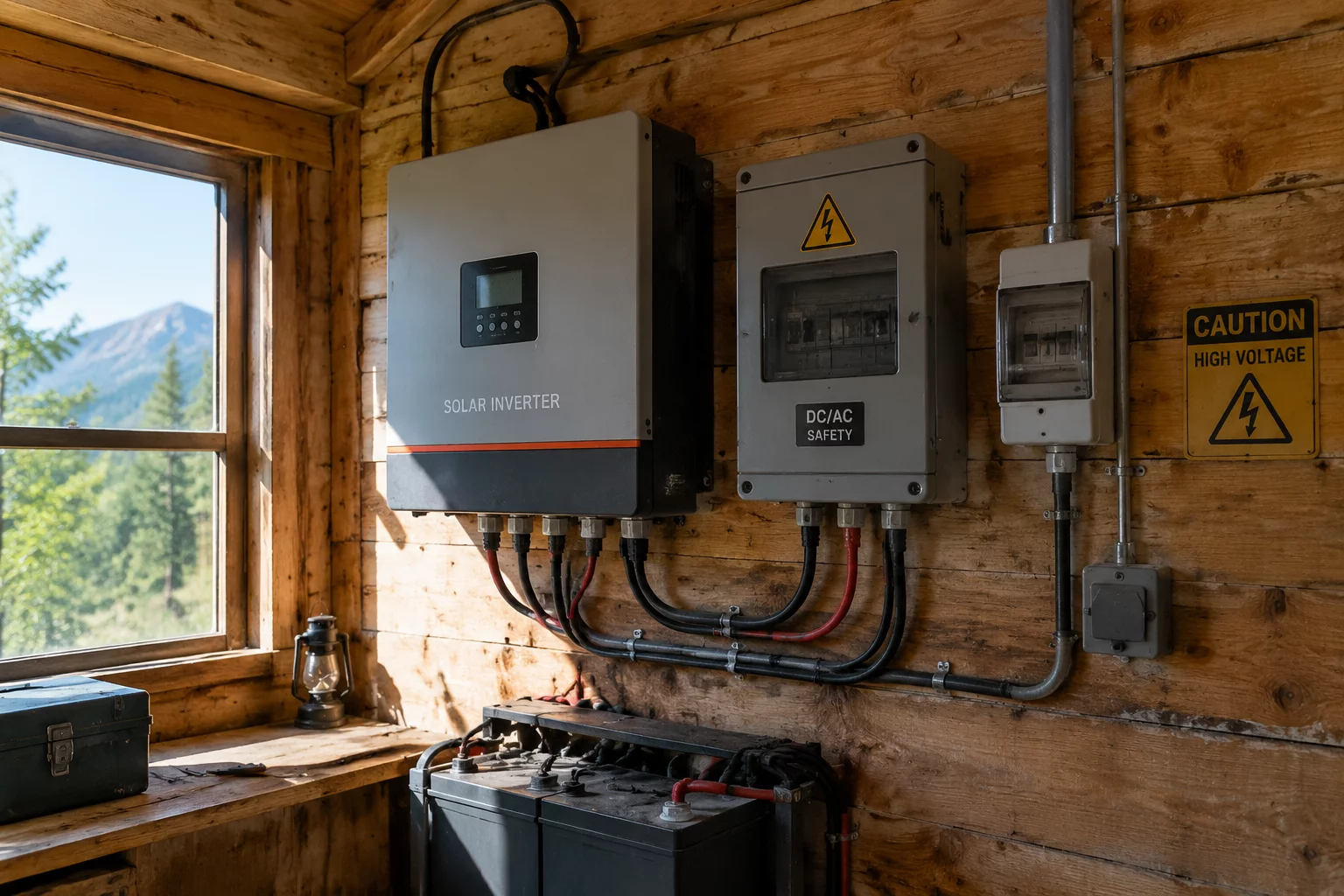
Living off the electrical utility grid requires total independence, but autonomous power generation systems present distinct electrical vulnerabilities. Hybrid solar inverters, battery storage banks, and fuel generators constantly cycle under varying household loads, causing severe voltage sags, switching harmonics, and destructive inductive spikes. For this timber cabin installation in the Cascade Range, the homeowner experienced repeated appliance dropouts and control board failures following automatic generator switchovers.
Our engineering team designed and deployed a comprehensive protection topology combining primary high-speed Class II surge arresters, smart dual-threshold voltage monitoring relays, and a heavy-duty servo-controlled voltage regulator. This integrated defense layer isolates sensitive household circuitry, ensuring clean and stabilized 230-volt power regardless of whether the property draws energy from lithium battery storage, peak solar harvesting, or a roaring diesel auxiliary plant.
Mountain Terrain and Power Source Transition Hurdles
Operating without a utility reference grid subjects the internal wiring to frequent electrical stress. During transition sequences between renewable inverter output and auxiliary fuel generators, significant switching surges occur. Additionally, mountain elevation dramatically increases lightning exposure across grounding rods and rooftop photovoltaic arrays.
- Rapid generator governor overshoot creating brief overvoltages exceeding 280V upon heavy motor startup.
- High ambient lightning density near mountain ridgelines inducing transient surges into PV wiring.
- Cumulative harmonic distortion causing false tripping in sensitive refrigeration and satellite communications.
Tailored Hardware Integration and Field Commissioning
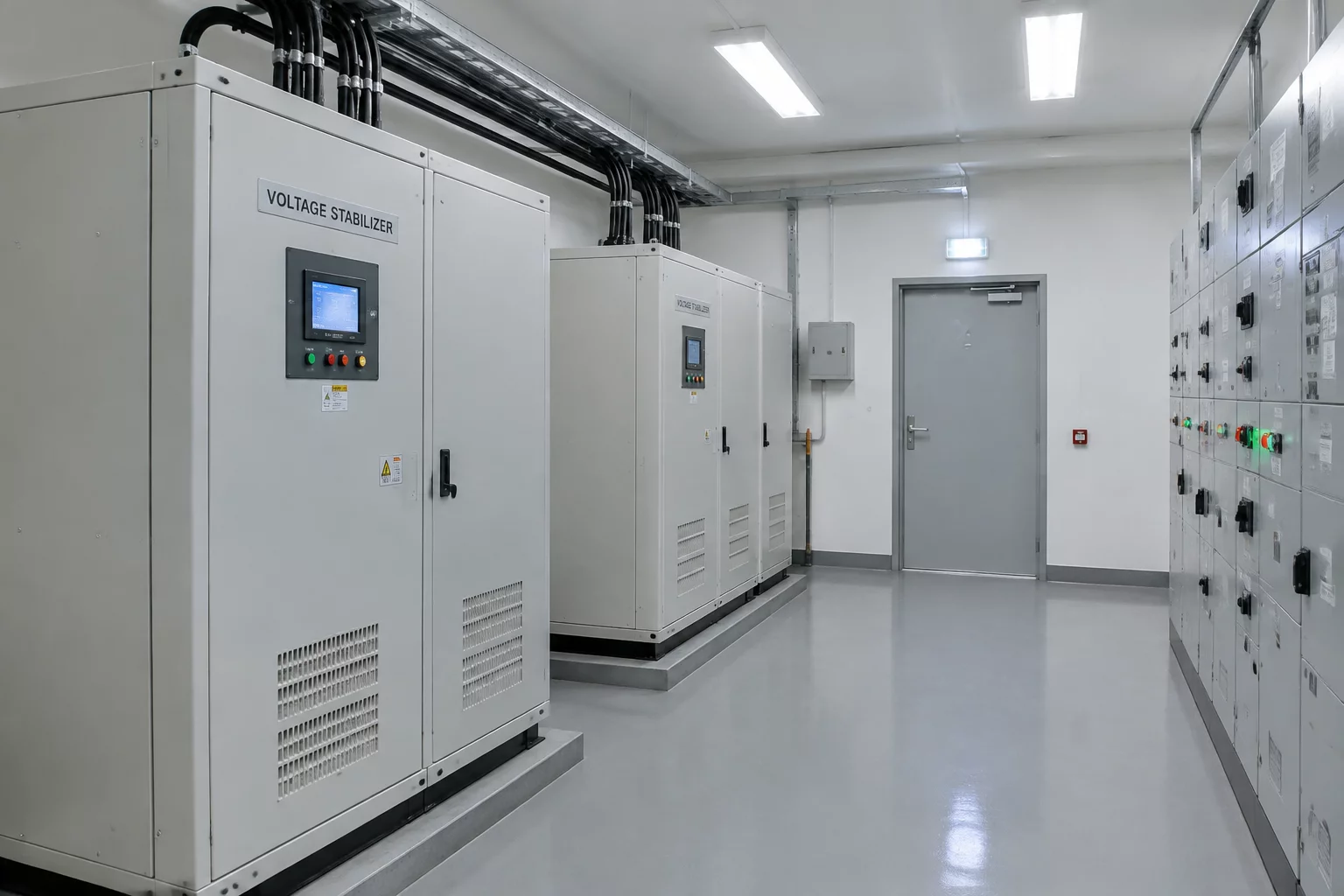
To eliminate the risk of voltage spikes reaching domestic loads, our technicians installed a multi-stage defense architecture. An industrial-grade Class II surge arrester handles direct line-to-earth clamping right at the inverter AC output. Downstream, a microprocessor-controlled 63A voltage relay continuously measures root-mean-square (RMS) voltage, cutting power in under 0.05 seconds if parameters deviate outside 180V–255V safe windows.
To bridge frequent voltage dips during cold compressor starts, a precision 12kVA digital voltage stabilizer smooths out fluctuations, supplying a steady 230V sine wave. Grounding resistance was also brought down to under 4 Ohms through multi-rod deep bonding, ensuring lightning discharges disperse safely without back-feeding through cabin circuits.
Leave a Review or Question
Share your engineering inquiry or feedback on this implementation.