Safeguarding Centralized Automation from Grid Volatility
Modern connected residences depend on an intricate network of microprocessors, low-voltage control buses, smart dimmers, and climate modules. Even minor voltage swells or high-energy switching transients can corrupt flash memory and permanently damage silicon chips inside centralized controllers.
In this two-story residential installation, recurring seasonal storms and inductive kicks from heavy heat pump compressors caused repeated system freezes. Our engineering team designed an integrated defense architecture combining coordinated Type 2 surge protective devices, high-speed voltage cutoff relays, and isolated clean power supplies for automation servers.
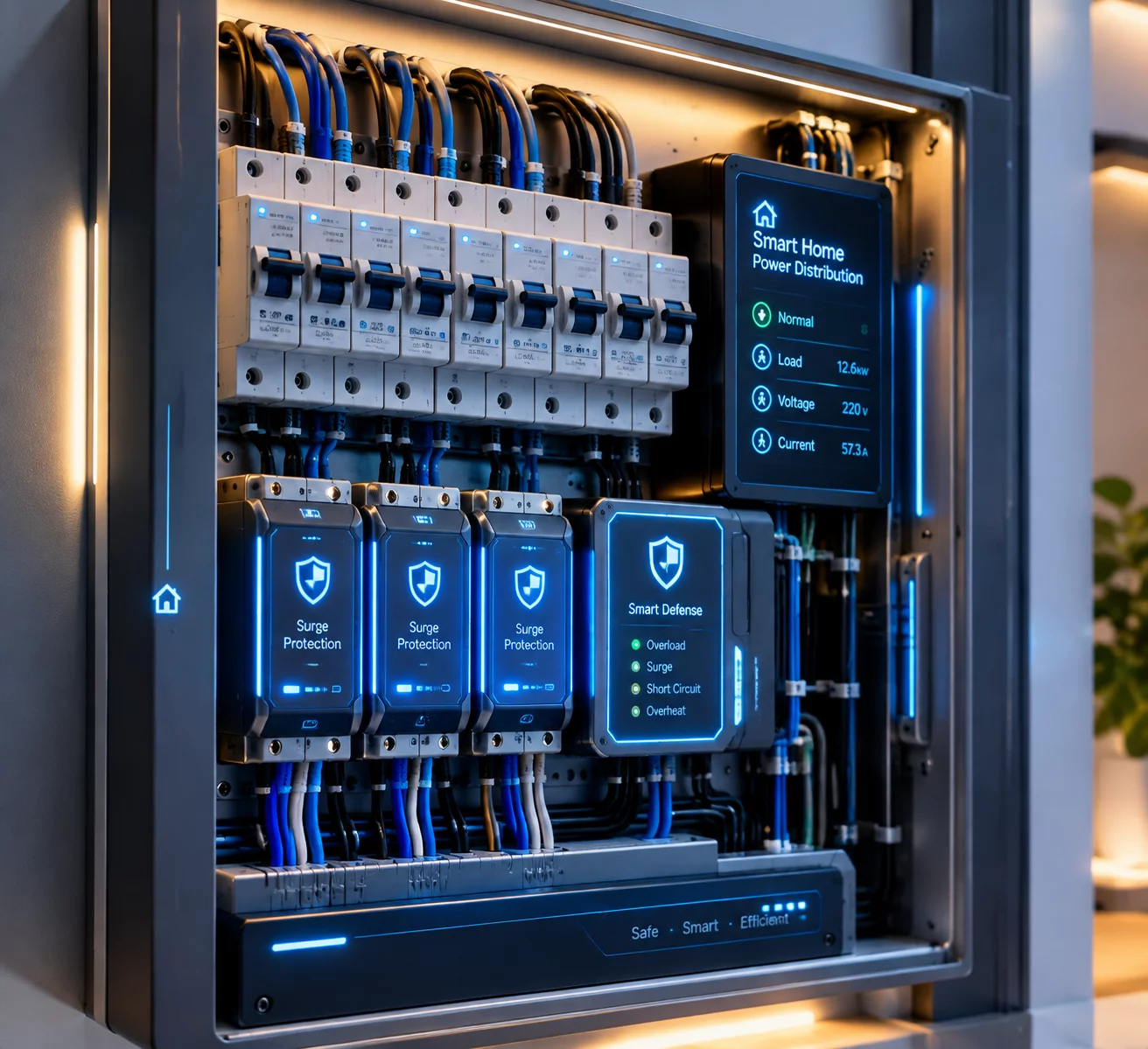
Key Technical Challenges and Grid Vulnerabilities
Evaluating the electrical distribution revealed several critical risk zones requiring dedicated isolation rather than single-point surge protection:
- Sub-microsecond transients originating from neighboring industrial utility switching operations.
- Inductive spikes generated internally by two 5-ton variable-speed heat pump compressors.
- Neutral line floating tendencies during asymmetric grid loading throughout evening peak hours.
- Direct coupling risks bridging 230V mains lines into sensitive 24V automation bus wiring.
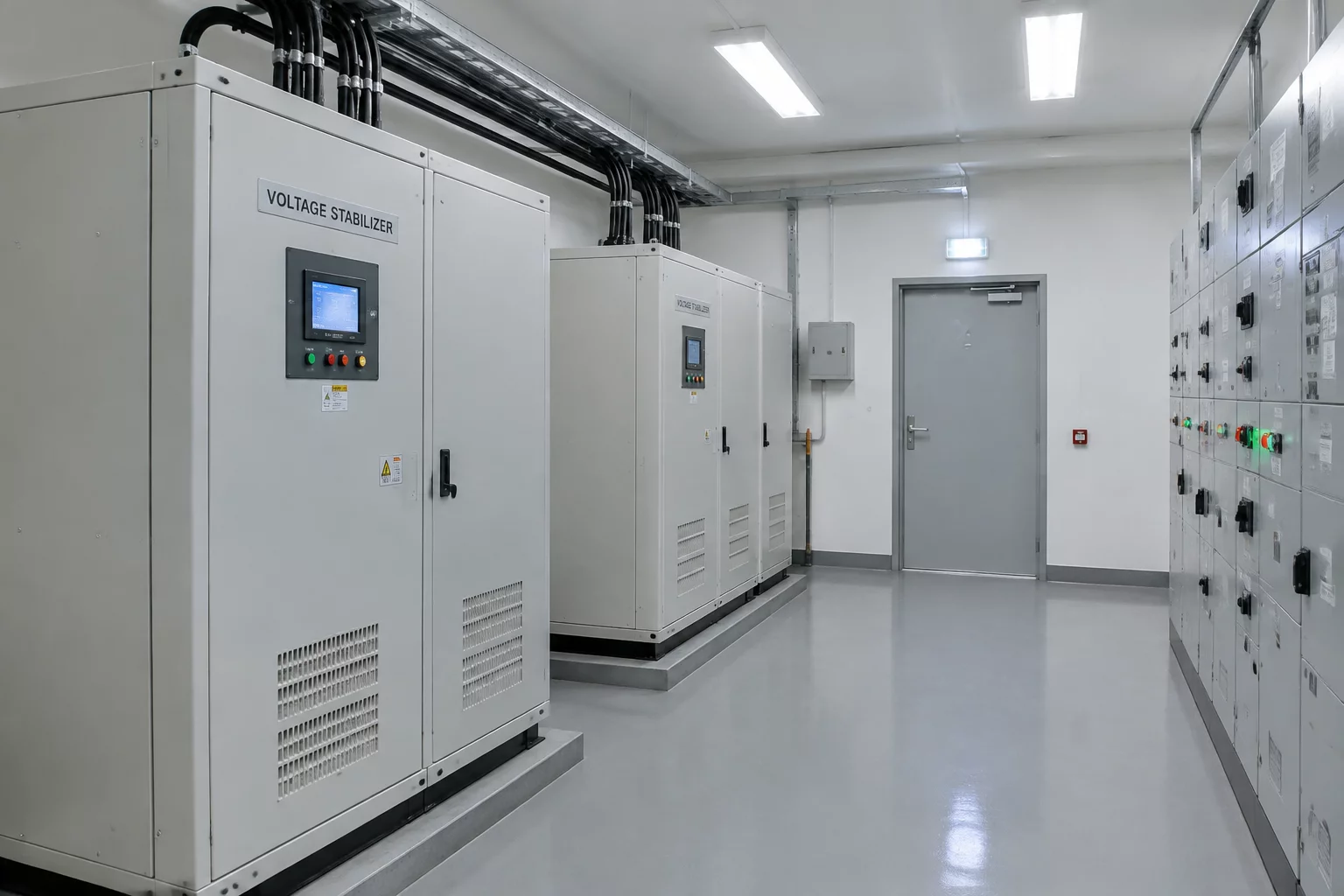
Tiered Deployment and Engineering Integration
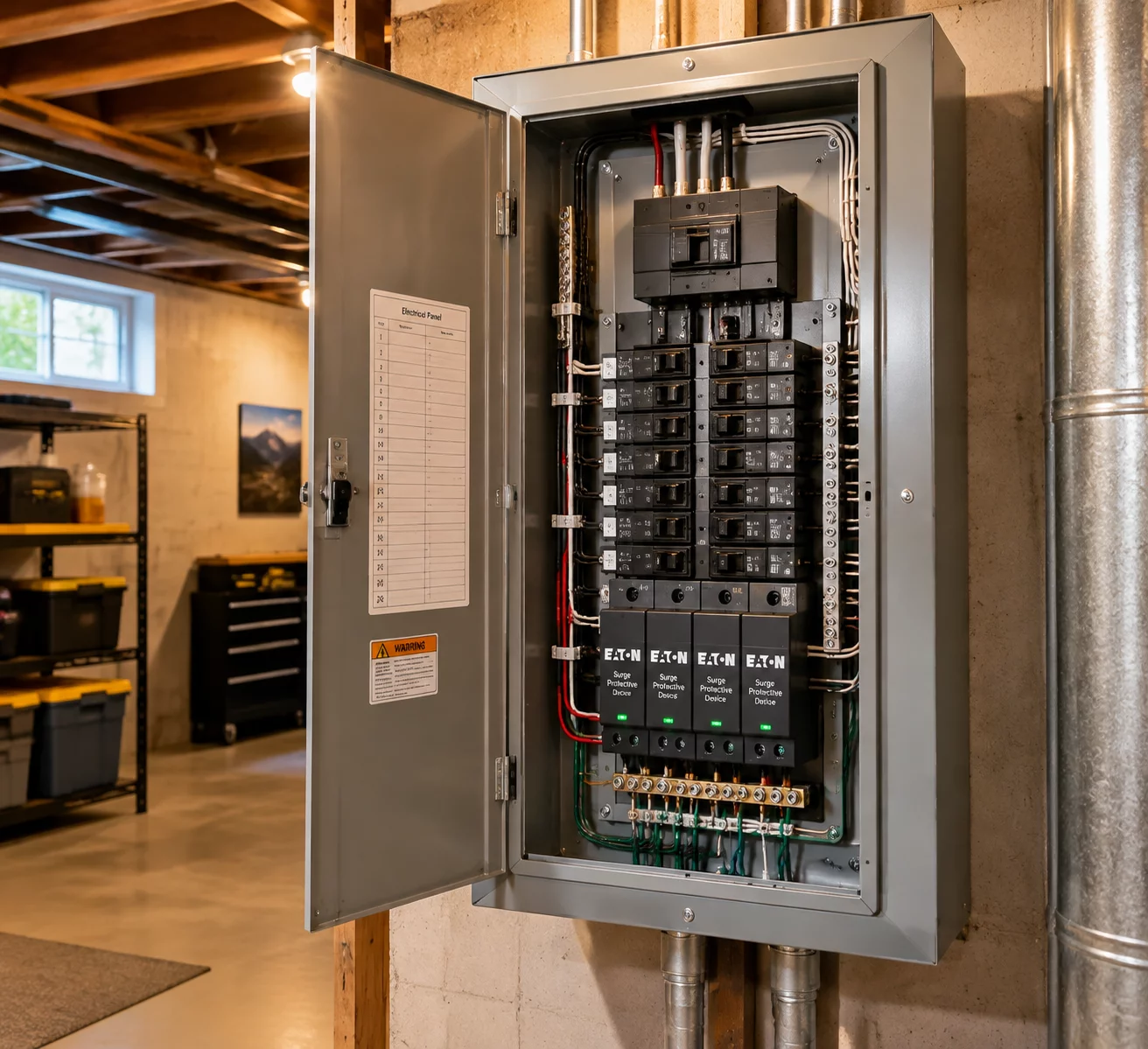
Execution began by reconstructing the main intake enclosure. Three heavy-duty 63A microsecond-acting voltage relays were installed immediately after the main disconnect, calibrated to sever power within 0.02 seconds whenever incoming supply exceeds 265V or drops below 175V.
Downstream, four Type 2 surge arresters channel high-energy surges safely toward an upgraded ground bus with an measured impedance under 3.8 ohms. Automation bus transformers and home server racks received dedicated inline filtering, ensuring that digital protocols maintain pristine signal stability regardless of utility fluctuations.
Leave a Review or Question
Share your engineering inquiry or feedback on this implementation.