Whole-Home Surge Protection
Advanced Surge Defense System
Multi-stage residential voltage suppression engineered for lightning transients, heavy switching loads, and continuous line conditioning.
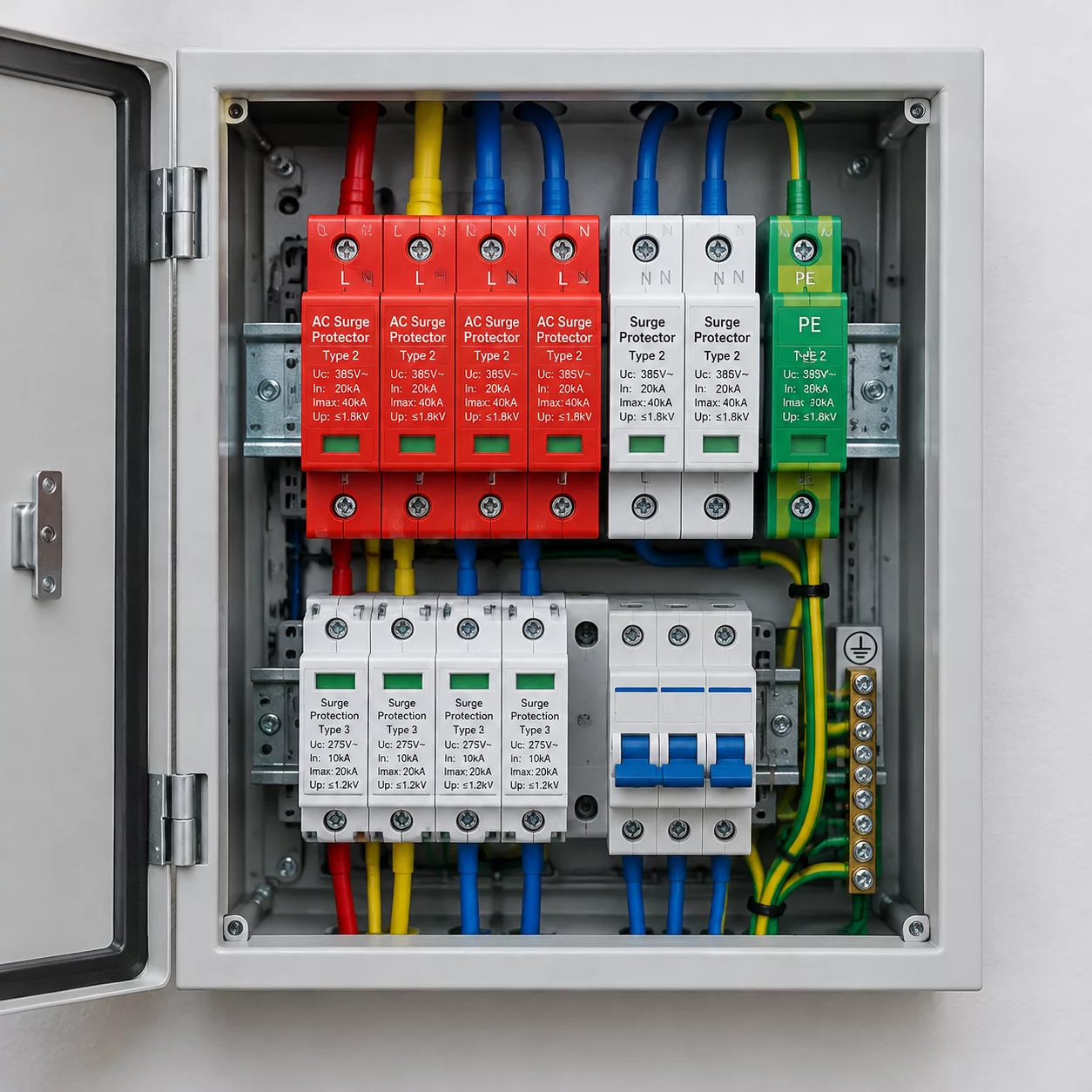
Engineered for modern high-load residences, the Advanced Surge Defense System combines heavy-duty metal oxide varistors (MOVs) with gas discharge tubes (GDTs) to intercept extreme voltage spikes before they reach sensitive circuit breakers or connected electronics. It delivers rapid clamping across all active conductors, shielding HVAC systems, smart appliances, and sensitive microelectronics against inductive kickbacks and indirect lightning strikes.
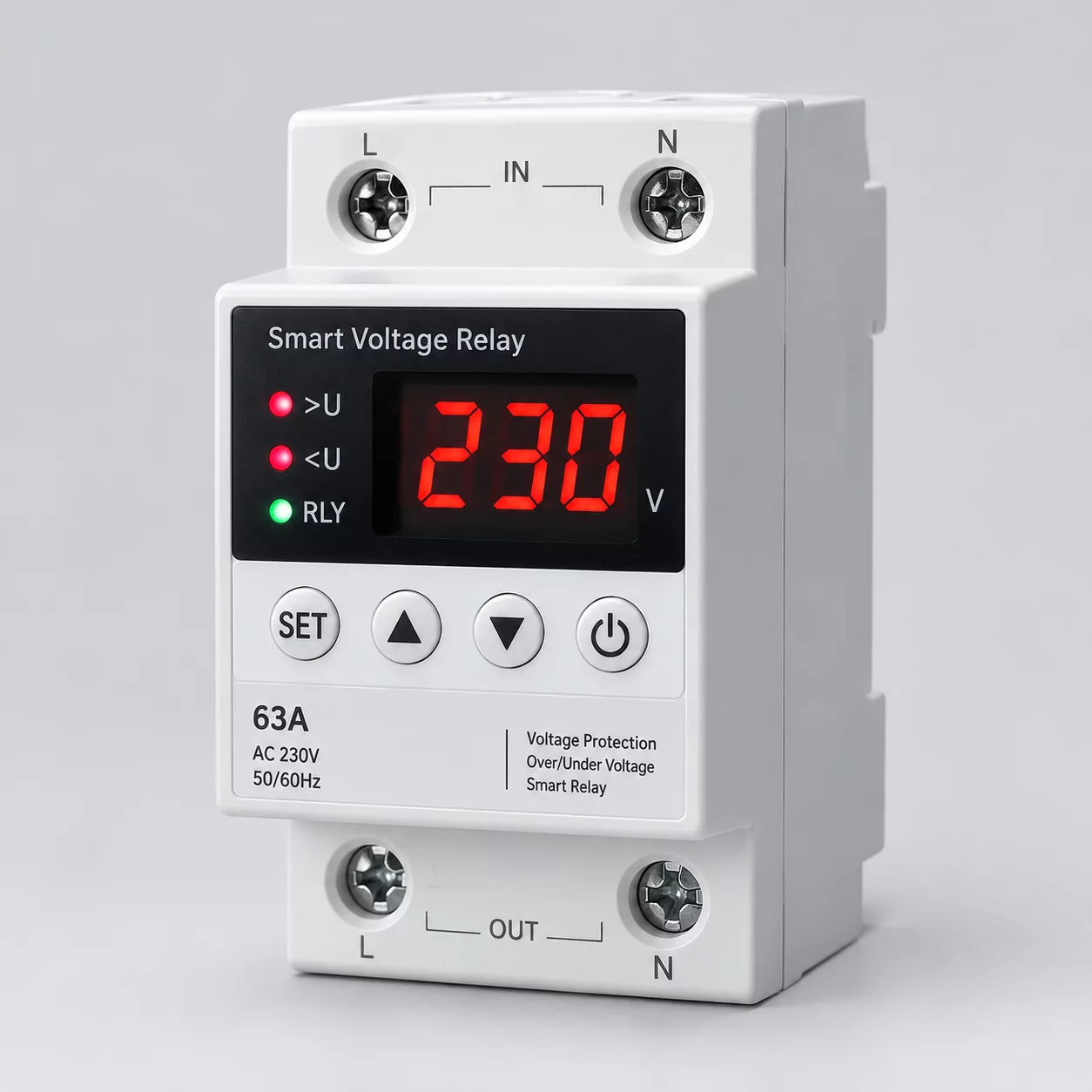
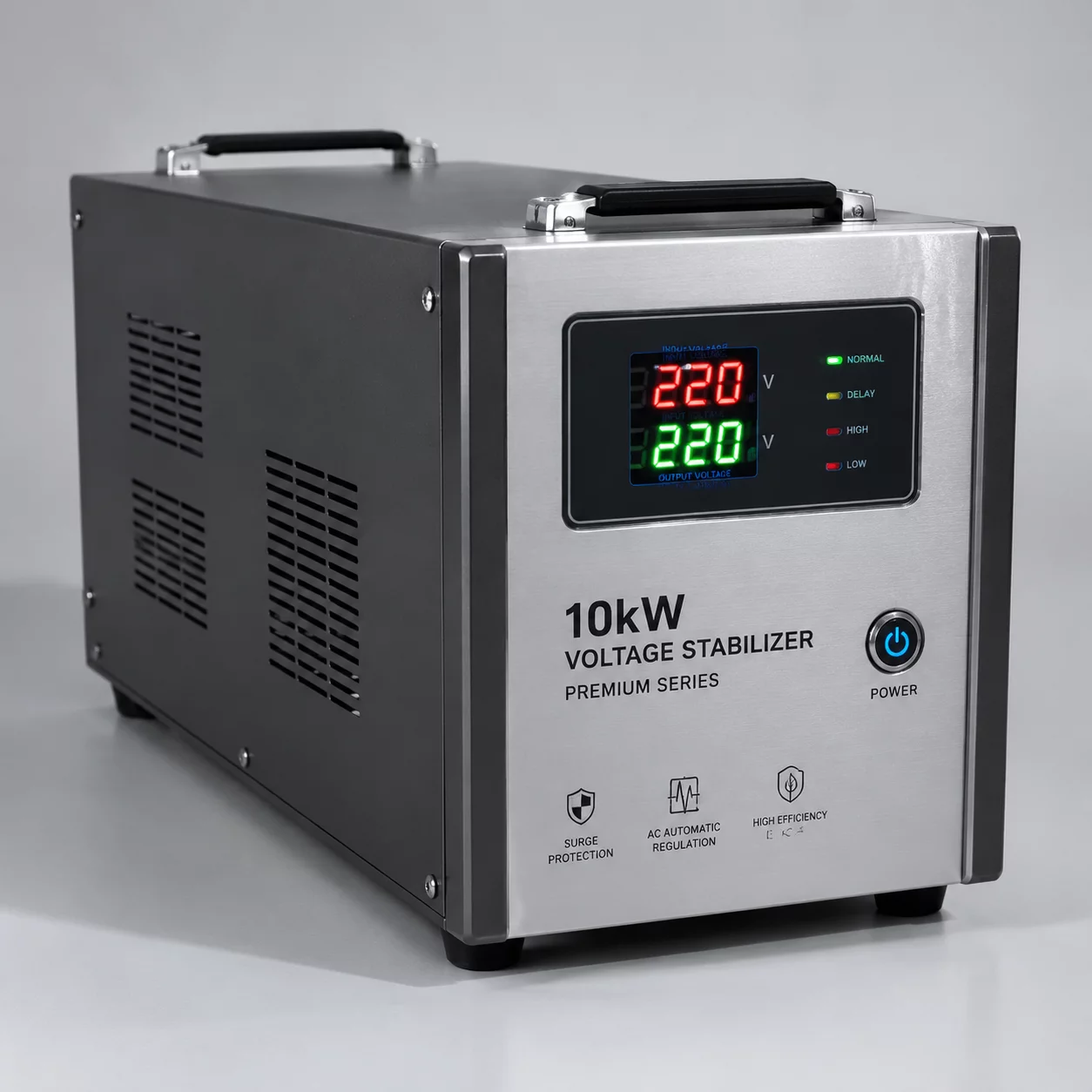
Output stays locked within this range even during severe grid sags and surges.
Fits standard electrical panels — no custom mounting hardware required.
The Advanced Surge Defense System employs coordinated multi-stage surge mitigation architecture. First-stage high-energy gas discharge modules neutralize massive current influxes, while downstream hybrid varistor arrays clamp remaining residual voltage down to safe operational thresholds. Integrated thermal disconnectors immediately decouple degraded components, preventing thermal runaway and ensuring fail-safe panel operation under recurring utility surges.
This unit must be installed downstream of an upstream 63A or 80A backup fuse or dedicated circuit breaker. Grounding resistance must strictly measure below 10 Ohms to guarantee full absorption of high-frequency lightning spikes into the earth grid.
De-energize the main service breaker, verify zero voltage with a calibrated two-pole tester, and clear 4 standard modules on the primary distribution DIN-rail.
Connect line, neutral, and ground conductors using copper cables not exceeding 50cm in total length to minimize high-frequency lead inductance.
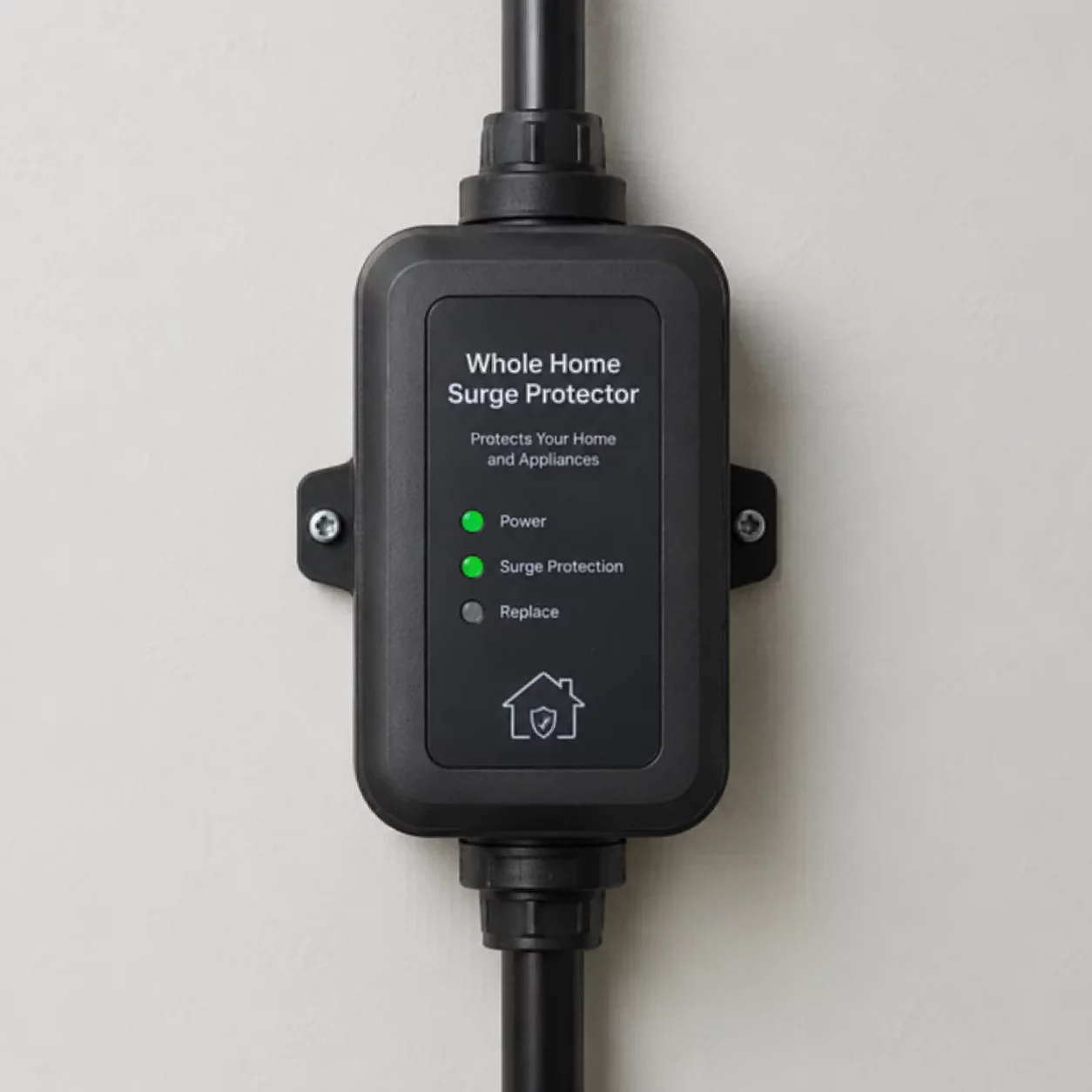
Re-energize the panel board and observe the front-panel status indicators; both LED beacons should show steady green indicating active stage protection.
Check the module inspection windows every six months and immediately after severe local thunderstorms to confirm no thermal disconnect flags have tripped.
No reviews yet. Be the first to share your experience with this device.